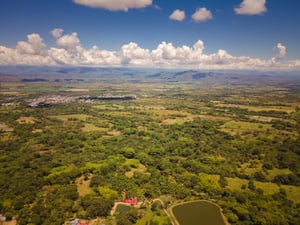



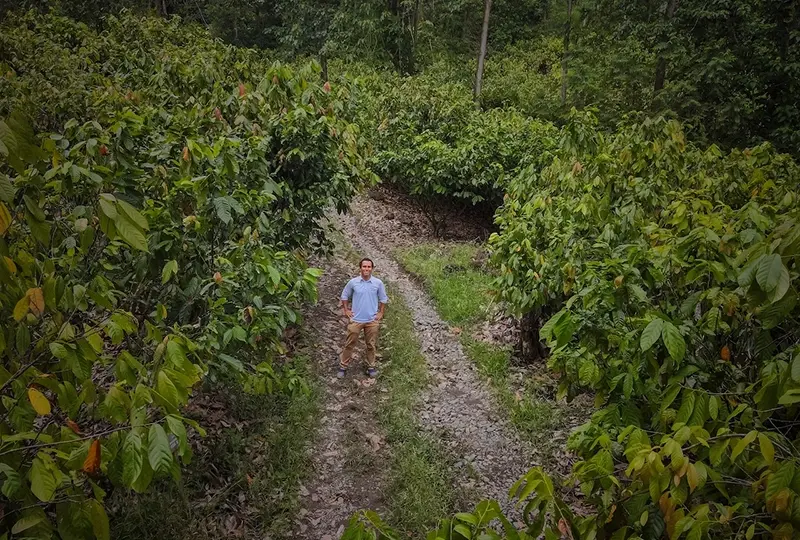
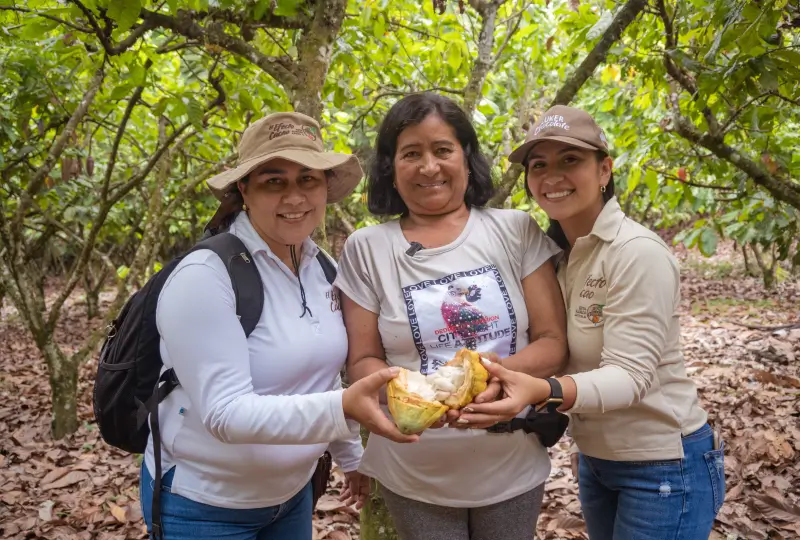




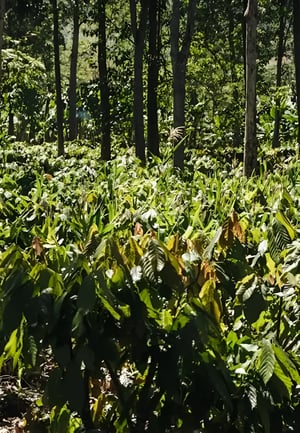
Luker has a longstanding commitment to preventing deforestation and promoting agroforestry, which helps protect biodiversity in the regions where cacao is sourced. As of October 2024, all Luker exports to Europe comply with the European Union’s Deforestation Regulation EUDR.
Read more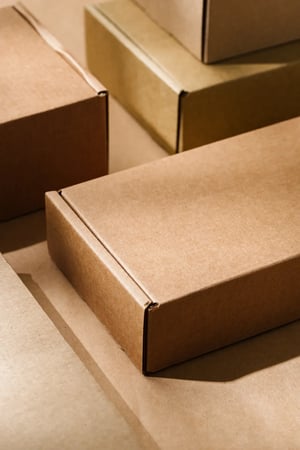
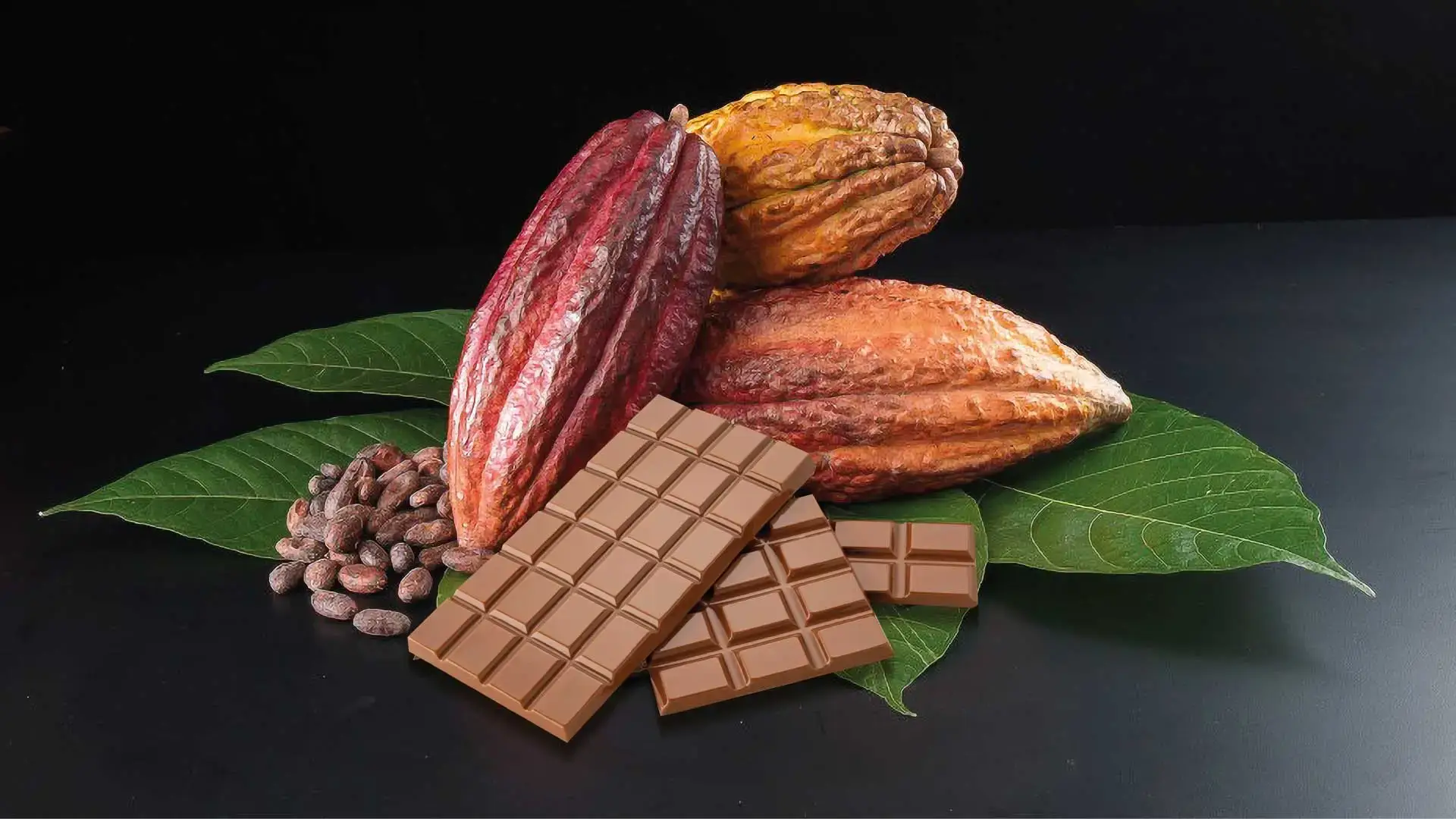
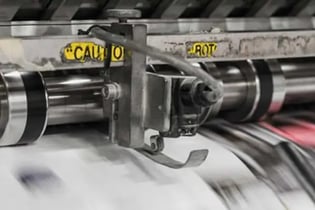
Our packaging strategy focuses on transitioning to materials that are easier to recover and recycle in their end markets, while increasing the use of recycled content and reducing reliance on virgin materials across our packaging portfolio. As a result, 88% of our finished product packaging is now fully recyclable.
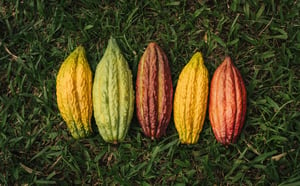
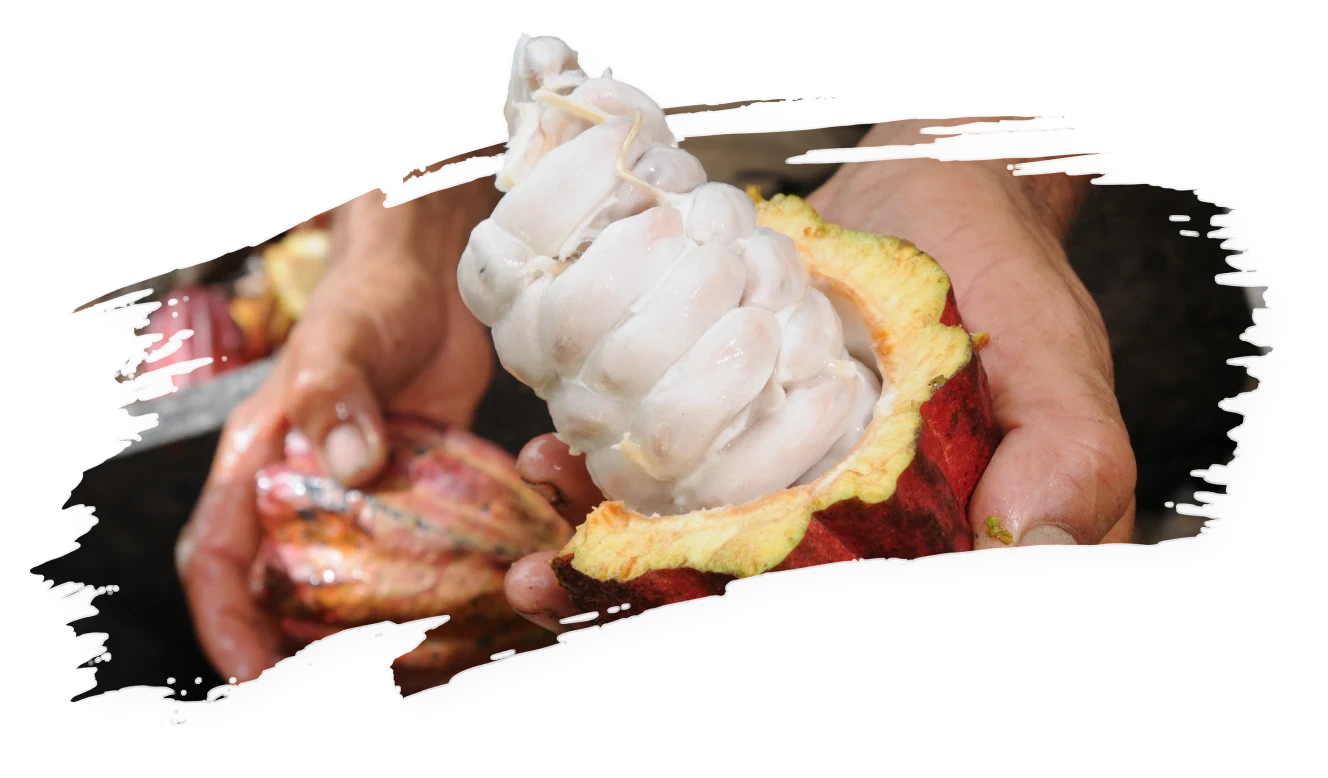
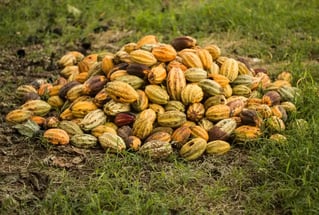
Our upcycling strategy focuses on transforming cocoa by-products into valuable new ingredients, reducing waste while creating additional income opportunities for farming communities. In 2024, we launched an upcycling factory and introduced Upía, our platform for circular innovation, developing products such as cocoa juice concentrate and cocoa fibre for new food applications. (poner link a pagina de upia)
Read more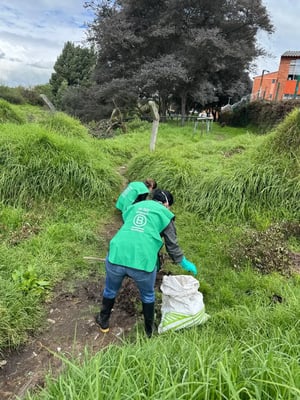
Our waste management strategy focuses on separating and treating waste through specialised recovery processes, including recycling, composting, animal feed and responsible handling of hazardous materials, supported by a strong network of expert partners. In 2024/25, this approach allowed luker to manage more than 2,231 tonnes of waste while sending only 3% to landfill.
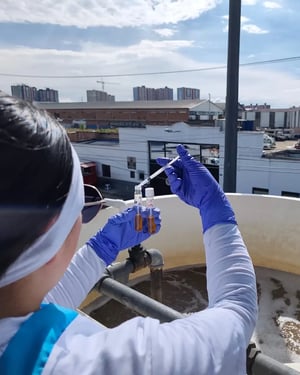
Our operational strategy focuses on improving efficiency through renewable energy sourcing, real-time monitoring systems, and smarter water management across our facilities. In 2024/25, 100% of grid electricity was backed by renewable energy certificates, water intensity was reduced by 10%, and improvements in the mould washing area achieved a 50% reduction in water use.
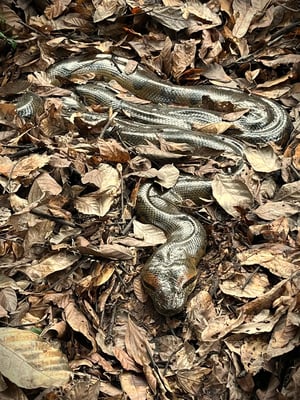
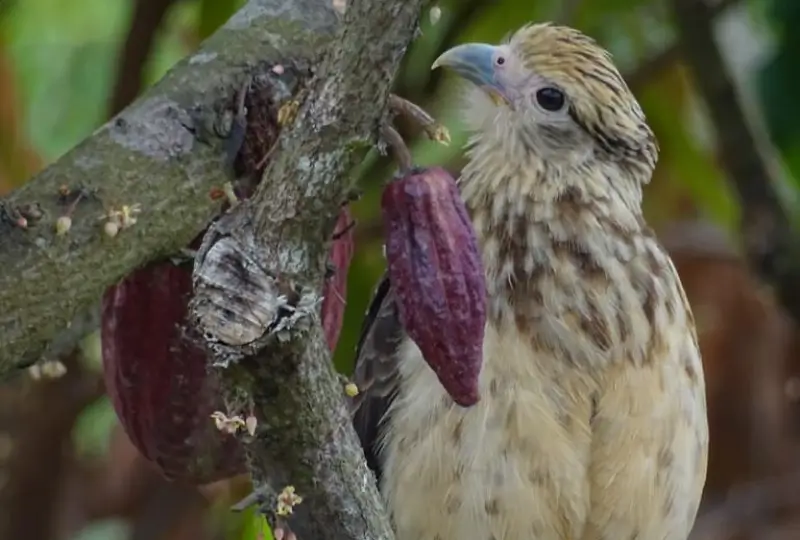
Our nature and biodiversity strategy combines geographic analysis, biodiversity mapping and agroforestry initiatives to better understand and protect the ecosystems connected to cocoa cultivation. Through this approach, we identified 179 threatened species across the chocolate dream regions and developed tools to support conservation, deforestation prevention and environmental awareness programmes.